



Migraine Headaches Treatment
Migraine headaches can be debilitating, affecting millions of people worldwide and significantly impacting their quality of life. Migraine treatment aims to alleviate symptoms, prevent future attacks, and improve overall well-being. Various treatment options are available, ranging from lifestyle modifications and medication to alternative therapies and interventional procedures. The choice of treatment depends on the frequency, severity, and individual preferences of the patient.
What is it?
Migraine headaches treatment encompasses a multifaceted approach tailored to the unique needs of each patient. It may include acute treatments to relieve migraine symptoms during an attack and preventive treatments to reduce the frequency and severity of future episodes. Acute treatments focus on alleviating pain and associated symptoms, while preventive treatments aim to minimise migraine triggers and disrupt the migraine cycle.
How does it work?
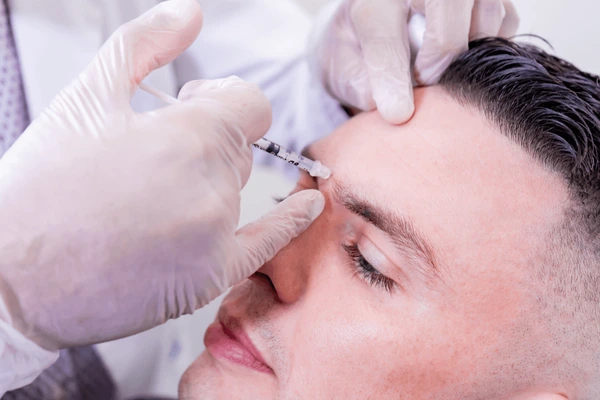
Migraine treatment works by targeting different aspects of the migraine pathway, including neurotransmitter imbalance, blood vessel constriction, inflammation, and sensory processing. Acute treatments typically involve medications such as nonsteroidal anti-inflammatory drugs (NSAIDs), triptans, ergotamines, or antiemetics to relieve pain, nausea, and other symptoms. Preventive treatments may include medications like beta-blockers, antidepressants, antiepileptic drugs, or botulinum toxin injections to reduce the frequency and severity of migraine attacks.
Why choose it?
Migraine headaches treatment offers relief from debilitating symptoms, improves quality of life, and reduces the impact of migraines on daily activities. By effectively managing migraine symptoms and preventing future attacks, treatment can help patients regain control over their lives and enjoy better overall health and well-being.
Benefits:
The benefits of migraine headaches treatment include:
- Relief from migraine symptoms such as headache, nausea, vomiting, and sensitivity to light and sound
- Reduction in the frequency, severity, and duration of migraine attacks
- Improved ability to function and perform daily activities
- Enhanced quality of life and emotional well-being
- Prevention of long-term complications associated with frequent migraines, such as medication overuse headache and chronic migraine
FAQs
Migraine treatment itself is not painful, although some medications or procedures may have associated side effects or discomfort. The goal of treatment is to alleviate pain and improve overall well-being.
The downtime associated with migraine treatment varies depending on the type of treatment received. Acute treatments may provide immediate relief, while preventive treatments may require regular administration or adjustment of medications.
The number of treatment sessions needed depends on various factors, including the frequency and severity of migraine attacks, response to treatment, and individual preferences. Some treatments may be administered as needed during migraine attacks, while others may require ongoing maintenance or adjustment.
The duration of migraine treatment sessions varies depending on the type of treatment received. Acute treatments may provide rapid relief within minutes to hours, while preventive treatments may require weeks to months to achieve optimal results.
The timing of results depends on the specific treatment received and individual response. Acute treatments may provide immediate relief of migraine symptoms, while preventive treatments may take time to build up in the system and reduce the frequency and severity of future attacks.
The frequency of migraine treatment depends on various factors, including the type of treatment received, the severity and frequency of migraine attacks, and individual preferences. Some treatments may be administered as needed during migraine attacks, while others may require regular administration or adjustment to maintain effectiveness.
your premier destination for exceptional aesthetic and transformational treatments in the center of London
Quick Links

Your premier destination for exceptional aesthetic and transformational treatments in the center of London